Showing page 17 of 50 - 2304 results
Case Study
Operator strategies continue to evolve in the digital era as the telecoms industry seeks to capture new growth opportunities in the consumer and enterprise markets. Assessing innovation and achievements is more important than ever before. GSMA Intelligence's operator case studies provide a concise and consistent way to shine a light on and analyse operators' strategies and business models, as well as how they are launching new services. This edition looks at how Movistar Colombia is increasing its TV market share through fibre leadership, which is part of its strategy to promote inclusive connectivity.
Operator strategies continue to evolve in the digital era as the telecoms industry seeks to capture new growth opportunities in the consumer and enterprise markets. Assessing innovation and achievements is more important than ever before. GSMA Intelligence's operator case studies provide a concise and consistent way to shine a light on and analyse operators' strategies and business models, as well as how they are launching new services. This edition explores Eir’s strategy to gain TV market share by building on Ireland’s most advanced telecommunications infrastructure.
Report
In India, government initiatives and policy objectives reflect the country's increasing focus on digital sovereignty, with an emphasis on self-reliance in digital technologies. These build on the progress made by Digital India and prioritise the development of digital technologies for social and economic growth.
This fifth report in the series focuses on the barriers people face to adopting mobile internet and using it more, as well as how these differ by country and whether they live in a rural or urban area.
Blog
Page
The Things Conference 2025 recently concluded in Amsterdam, marking a milestone for the global LoRaWAN and broader IoT community. Coinciding with the 10-year mark since the creation of The Things Industries and the founding of the LoRa Alliance, the conference offered reflections on a decade of IoT evolution. Discussions also highlighted the emerging edge AI opportunity and the impact of the EU Cyber Resilience Act for the wider IoT ecosystem.
This fourth report in the series goes beyond mobile internet adoption to examine how people actually use mobile internet. It looks at frequency of use, the range of online activities they engage in, and the differences in use across countries and demographics.
This third report in the series examines how network coverage and infrastructure are expanding, and investigates network quality. These factors affect people’s ability to access the internet and their experience when doing so.
This second report in the series explores how mobile internet adoption has evolved since 2015. It examines three areas: the share of the population using mobile internet, the proportion still living outside mobile broadband coverage (the coverage gap), and those who live within mobile broadband coverage but are not yet online (the usage gap).
The State of Mobile Internet Connectivity 2025 considers the importance of not just mobile broadband coverage but ‘meaningful connectivity’ – users having a safe, satisfying, enriching and productive online experience that is affordable in their context. This is the first in the series and summarises the key findings from the other five publications.
Fixed markets continue to evolve around the world, with technology investments, competition, M&A and shifting consumer behaviour being major drivers. This quarterly series outlines the latest market developments and the key trends to watch, charting the period to 2030. The report also provides comprehensive cross-country comparisons at your fingertips, allowing you to identify which markets or technologies will grow the most.
Pay-TV markets are seeing an unprecedented evolution, driven by technology investments, shifting consumer behaviour and competition (including from OTT players). This quarterly series outlines the latest market developments and the key trends to watch, charting the period to 2030. The report also provides comprehensive cross-country comparisons at your fingertips, allowing you to identify which markets or technologies will grow the most or how OTT competition will impact the adoption of traditional pay TV.
This quarterly series leverages the GSMA Intelligence Spectrum Navigator tool to identify key trends and insights. The report outlines the latest important developments in the spectrum world and the key trends to watch going forward.
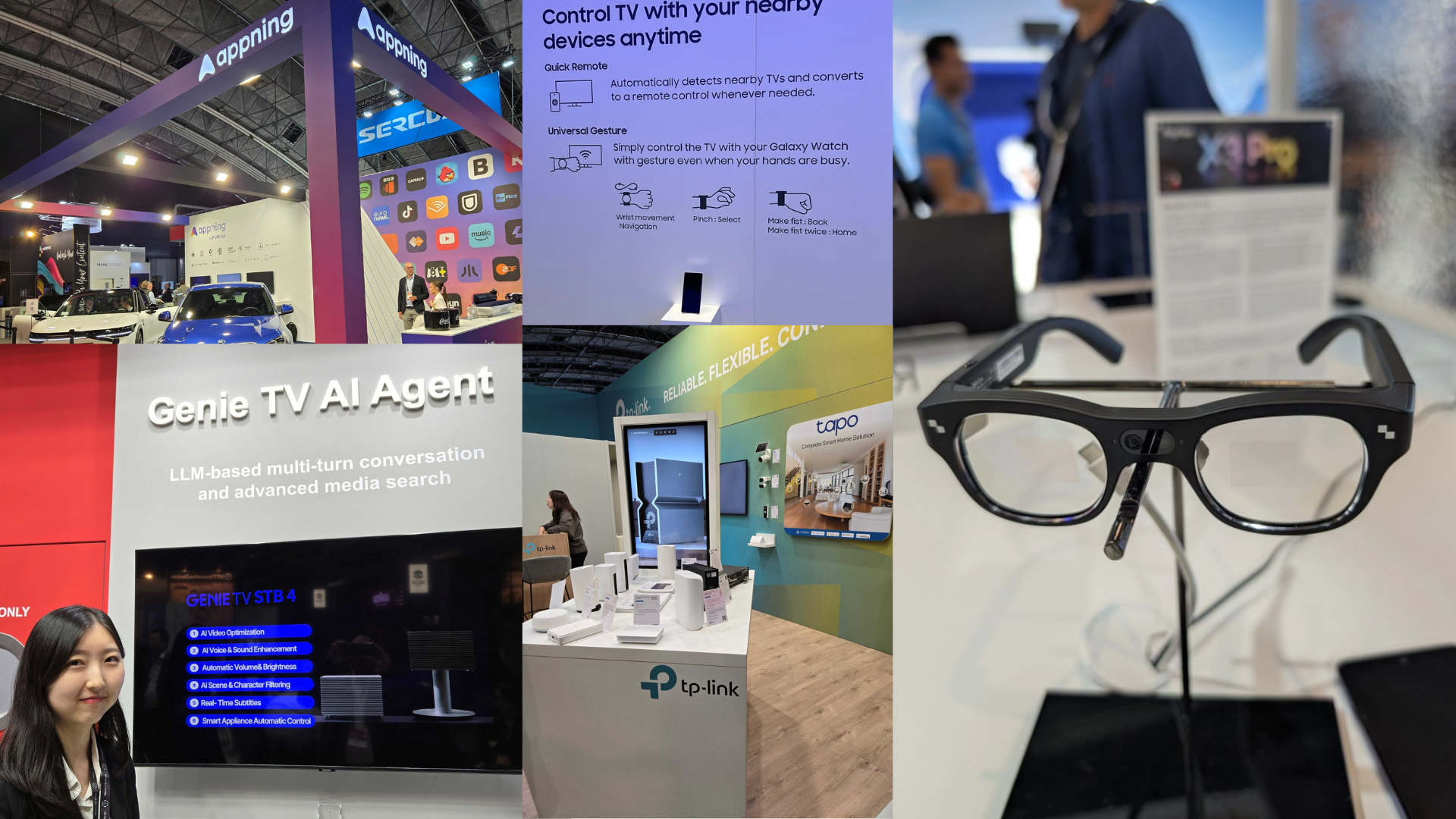
The 2025 edition of IBC, one of the largest annual gatherings of the media and entertainment industry, had nearly 44,000 attendees from over 170 countries, with 1,300 exhibitors showcasing innovations and cutting-edge technology. AI was the dominant theme at the show, with a focus on generative AI and agentic AI. But there were also key developments in free-to-air TV and an uptick among vendors looking to increase interactivity to generate customer stickiness.
Video
AI inferencing at the edge is reshaping how telecoms operators optimize networks, deliver enterprise solutions, and unlock new revenue opportunities.
Dashboard
We have developed a plug-and-play custom calculator for operators and enterprise companies to use their own data and explore the downstream implications of running AI inference at the edge, including total cost of ownership. The calculator is free to use, and includes a selection of parameters that you can customise based on your own deployment plan
Successfully realising ASEAN’s development plans requires concerted efforts by stakeholders to fully leverage the opportunities presented by digitalisation. This report highlights three principal measures to improve digital readiness: bridge the infrastructure gap, accelerate regional policy harmonisation, and leverage international cooperation mechanisms.
Have questions or need support with our reports and data services?